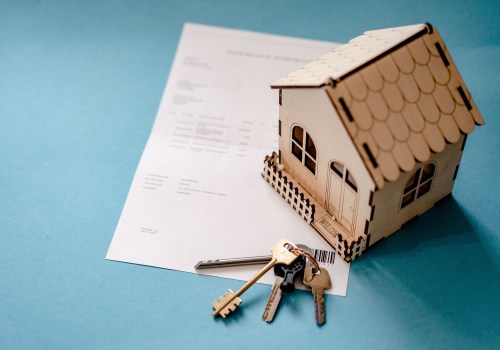
A property assessment is a critical process that determines the value of a property, which can significantly impact a property owner's financial responsibilities and opportunities. This evaluation is typically conducted by a local government assessor and involves a thorough analysis of various factors, including the property's size, location, condition, and the current real estate market trends. Understanding what a property assessment entails is essential for homeowners, as it not only influences property taxes but also plays a vital role in real estate transactions.The property assessment process generally begins with the assessor gathering data about the property and its surroundings. This may include inspecting the property, reviewing public records, and comparing similar properties in the area.
The outcome of this assessment can affect how much a homeowner pays in taxes and can also influence their ability to sell or refinance their home. Therefore, being informed about this process allows property owners to prepare adequately and potentially challenge any discrepancies they might find in their assessment.Moreover, the importance of property assessments extends beyond taxation. Accurate assessments ensure that property owners are paying their fair share while also contributing to community funding for essential services such as schools, roads, and public safety. For homeowners looking to maximize their investment or navigate the complexities of real estate markets, understanding property assessments is not just beneficial; it is essential for making informed decisions that align with their financial goals.
Why Preparing for a Property Assessment is Crucial
Preparing for a property assessment is not just a procedural step; it is a critical process that can significantly impact a property owner's financial standing.Understanding the importance of this preparation can lead to better outcomes and potentially save money in the long run.
Importance of Preparing for Property Assessment
A property assessment determines the value of a property, which directly influences property taxes. If a property is assessed at a higher value than its actual market worth, the owner may face inflated tax bills. Conversely, an accurate assessment can ensure that property taxes are fair and manageable. Therefore, being well-prepared can help in presenting a strong case for the property's true value.
Benefits of Preparation
- Accurate Documentation: Gathering necessary documents such as previous assessments, tax records, and recent sales data can provide a solid foundation for your case.
- Understanding Market Trends: Familiarizing yourself with local real estate trends can help you argue for a more favorable assessment.
- Professional Insight: Consulting with real estate professionals or appraisers can offer valuable insights into how to present your property effectively.
Consequences of Poor Preparation
Failing to prepare adequately for a property assessment can lead to several negative outcomes:
- Increased Tax Burden: An inaccurate or inflated assessment can result in higher property taxes, straining your finances.
- Missed Opportunities: Without proper preparation, you may overlook potential deductions or exemptions that could lower your tax liability.
- Appeal Challenges: If you disagree with the assessment, lacking documentation and preparation can weaken your appeal, making it difficult to contest the valuation.
By understanding its importance and taking proactive steps, property owners can ensure that their assessments reflect true market values, ultimately leading to fair taxation and financial peace of mind.
Gathering Necessary Documentation
Preparing for a property assessment requires careful organization and collection of relevant documents. Having the right paperwork on hand can significantly streamline the process and ensure that you are well-informed about your property’s value. Here are some essential documents you should gather:- Tax Records: Collect your most recent property tax statements. These documents provide insight into your current tax obligations and can help you understand how your property is valued by local authorities.
- Previous Assessments: If available, obtain records of past property assessments.
This information can be useful for comparing changes in property value over time and understanding how market trends may have affected your property.
- Property Deeds: Your property deed is a critical document that proves ownership. It contains important details about the property, including its legal description, which is necessary for accurate assessments.
- Improvement Records: If you have made any significant improvements or renovations to your property, gather documentation such as permits, invoices, and photographs. These records can help justify any increases in value during the assessment.
- Comparable Sales Data: Research recent sales of similar properties in your area. This data can provide context for your property’s value and may be useful if you need to contest an assessment.
Being organized not only demonstrates diligence but also empowers you with the knowledge needed to navigate the assessment process effectively.
Conducting a Self-Assessment of Your Property
Preparing for a property assessment begins with a thorough self-assessment of your property. This process not only helps you understand your property's current value but also allows you to identify areas that may need improvement before the official assessment.How to Self-Assess Property Value
To effectively evaluate your property's value, consider the following steps:- Research Comparable Properties: Look for similar properties in your neighborhood that have recently sold. This will give you a benchmark for your property's market value.
- Check Online Valuation Tools: Utilize online platforms that provide property estimates based on various data points. While these tools are not always accurate, they can offer a general idea of your property's worth.
- Hire a Professional Appraiser: If you want a more precise valuation, consider hiring a certified appraiser who can provide an in-depth analysis of your property.
Self-Assessment Tips
When conducting your self-assessment, keep these tips in mind:- Be Objective: Try to view your property through the eyes of a potential buyer.
This perspective can help you identify strengths and weaknesses.
- Document Everything: Take notes and photographs of each room and exterior features. This documentation will be useful when discussing your property with assessors.
- Consider Upgrades: Evaluate any recent renovations or improvements. Highlighting these can positively impact your assessment.
Evaluating Property Condition
A critical part of self-assessing is evaluating the overall condition of your property. Focus on the following areas:- Structural Integrity: Check for any signs of damage, such as cracks in walls or ceilings, which could indicate underlying issues.
- Systems and Appliances: Ensure that plumbing, electrical systems, and major appliances are functioning properly.
Any repairs needed should be addressed before the assessment.
- Curb Appeal: The first impression matters. Maintain landscaping and exterior paint to enhance visual appeal.
Understanding Local Market Trends
Understanding local real estate market trends is crucial for property owners preparing for a property assessment. The value of a property is often influenced by the dynamics of the surrounding market, including supply and demand, recent sales, and economic conditions. By staying informed about these trends, property owners can better anticipate how their property will be assessed.One of the first steps in researching market data is to analyze recent sales of comparable properties in the area.This process, known as a comparative market analysis (CMA), involves looking at properties that are similar in size, age, and features. Owners can access this information through local real estate websites, county assessor's offices, or by consulting with a real estate agent.Additionally, it’s important to consider broader economic indicators that may affect property values. Factors such as employment rates, interest rates, and local development projects can all play a significant role in shaping the real estate landscape. For instance:
- Employment Growth: An increase in job opportunities can lead to higher demand for housing, which may elevate property values.
- Interest Rates: Lower interest rates often encourage more buyers to enter the market, potentially driving up prices.
- Local Developments: New schools, parks, or commercial centers can enhance neighborhood appeal and increase property values.
- Online Real Estate Platforms: Websites like Zillow or Realtor.com provide valuable insights into current listings and sales data.
- Local Government Reports: Many municipalities publish reports on housing trends and economic forecasts.
- Networking with Local Agents: Real estate professionals often have firsthand knowledge of market conditions and can provide tailored advice.
Preparing Your Property for Inspection
Preparing your property for a property assessment is crucial to ensure you receive a fair evaluation.Here are some practical tips to help you get ready for the inspection.
Improve Curb Appeal
The first impression matters, and enhancing your property's curb appeal can significantly impact the assessment outcome. Consider the following:- Landscaping: Trim overgrown bushes, mow the lawn, and plant colorful flowers to create an inviting atmosphere.
- Exterior Cleaning: Power wash the siding, driveway, and walkways to remove dirt and grime.
- Paint Touch-ups: Repaint any chipped or faded areas on the exterior to give your home a fresh look.
- Front Door: Ensure your front door is clean and consider a new coat of paint or a stylish new handle for added appeal.
Maintenance Tips
Addressing maintenance issues before the assessment can prevent potential red flags. Here are some areas to focus on:- Roof Inspection: Check for missing shingles or leaks and repair them promptly.
- Plumbing and Electrical: Ensure all systems are functioning properly. Fix any leaks or faulty wiring.
- HVAC Systems: Service your heating and cooling systems to ensure they are in good working order.
- Windows and Doors: Make sure all windows and doors open smoothly and seal any drafts to improve energy efficiency.
This can lead to a more favorable outcome during your property assessment.
Common Mistakes to Avoid During a Property Assessment
Preparing for a property assessment can be a daunting task, and many property owners inadvertently make mistakes that can negatively impact the outcome. Here are some common pitfalls to avoid:- Neglecting to Research Local Market Trends: One of the most significant errors is failing to understand the local real estate market. Property owners should research recent sales in their area to gauge how their property compares. This knowledge can help in setting realistic expectations.
- Ignoring Property Maintenance: A well-maintained property is more likely to receive a favorable assessment.
Owners often overlook necessary repairs or cosmetic improvements that could enhance their property’s value. Simple tasks like painting, landscaping, and fixing minor issues can make a substantial difference.
- Overestimating Property Features: While it’s essential to highlight the strengths of your property, exaggerating features can backfire. Be honest about what your property offers; assessors are trained to identify discrepancies.
- Failing to Prepare Documentation: Many owners underestimate the importance of having all relevant documents ready for the assessment. This includes previous assessments, tax records, and any permits for renovations.
Lack of documentation can lead to delays or inaccuracies in the assessment process.
- Not Being Present During the Assessment: Some property owners choose not to be present during the assessment, which can be a mistake. Being available allows you to answer questions and provide context about your property that may not be immediately apparent.
Frequently Asked Questions About Property Assessments
Property assessments can often raise questions for property owners. Understanding the process can alleviate concerns and help you prepare effectively.Here are some frequently asked questions about property assessments:
- What is a property assessment? A property assessment is an evaluation of a property's value conducted by a local government assessor. This value is used to determine property taxes and can influence your financial planning.
- How often are properties assessed? The frequency of property assessments varies by location. Some areas conduct assessments annually, while others may do so every few years. It's important to check with your local assessor's office for specific timelines.
- What factors are considered during an assessment? Assessors typically consider several factors, including:
- Location and neighborhood trends
- Size and condition of the property
- Recent sales of comparable properties
- Improvements or renovations made to the property
- What should I expect during an assessment? During a property assessment, an assessor will visit your property to evaluate its condition and features.
They may take measurements, photographs, and notes on any improvements. It's advisable to be present during this visit to answer any questions they may have.
- Can I appeal my property assessment? If you believe your property's assessed value is too high, you have the right to appeal. The process typically involves submitting a formal request to your local assessor's office along with supporting documentation.
Conclusion: Key Takeaways for Property Owners
In conclusion, preparing for a property assessment is crucial for property owners who want to ensure that their property is valued accurately and fairly. By taking the time to understand the assessment process and implementing effective strategies, owners can significantly influence the outcome. Here are the key takeaways to remember:- Understand the Assessment Process: Familiarize yourself with how property assessments work in your area.
Knowing what assessors look for can help you prepare effectively.
- Gather Necessary Documentation: Compile all relevant documents, including previous assessments, tax records, and any improvements made to the property. This information can support your case during the assessment.
- Enhance Curb Appeal: First impressions matter. Invest in minor repairs and landscaping to improve your property's exterior, which can positively influence its assessed value.
- Know Your Property's Value: Conduct a comparative market analysis or hire a professional appraiser to understand your property's market value. This knowledge can help you advocate for a fair assessment.
- Be Present During the Assessment: If possible, be available during the assessment to answer any questions the assessor may have and provide additional context about your property.
Remember, thorough preparation not only helps in achieving a fair valuation but also contributes to better financial planning and investment decisions in the long run.