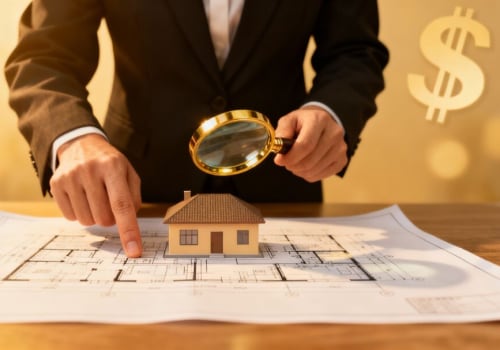
A property assessment is a critical process in the realm of real estate that determines the value of a property for various purposes, including taxation, sales, and financing. This evaluation is typically conducted by a professional appraiser or a local government assessor who examines various factors that contribute to the property's overall worth. Understanding what a property assessment entails is essential for homeowners, buyers, and investors alike, as it can significantly influence financial decisions and investment strategies. The primary purpose of a property assessment is to establish an accurate property valuation that reflects the current market conditions and the unique characteristics of the property. This valuation not only aids in determining property taxes but also plays a vital role in real estate transactions.
For instance, when buying or selling a home, both parties rely on the assessment to negotiate a fair price. Additionally, lenders often require an assessment before approving a mortgage to ensure that the loan amount aligns with the property's value. Moreover, property assessments are not static; they can change over time due to various factors such as renovations, market trends, and neighborhood developments. Therefore, staying informed about how assessments work and their implications can empower property owners and potential buyers to make informed decisions. As we delve deeper into the process of physical inspections during property assessments, it becomes clear that this step is crucial in accurately determining a property's value and ensuring transparency in real estate transactions.
The Importance of Physical Inspections in Property Assessments
Physical inspections play a crucial role in the property assessment process, serving as the foundation for determining a property's value.During these inspections, assessors evaluate various aspects of the property, including its size, condition, and any unique features that may influence its market value.One of the primary reasons why physical inspections matter is that they provide a comprehensive understanding of the property. While public records and online databases can offer some insights, they often lack the detailed information that can only be gathered through an on-site visit. For instance, an assessor can identify issues such as structural damage, outdated systems, or necessary repairs that may not be documented elsewhere.Additionally, physical inspections help ensure fair taxation. By accurately assessing a property's condition and features, local governments can set appropriate tax rates that reflect its true value.
This is particularly important in maintaining equity among property owners; if some properties are assessed without a physical inspection, it could lead to discrepancies in tax obligations.Moreover, physical inspections allow assessors to consider market trends and neighborhood characteristics that may affect property values. For example, if a neighborhood is undergoing revitalization or if new amenities are being developed nearby, these factors can significantly enhance a property's worth. Assessors who conduct thorough inspections are better equipped to account for these variables.In summary, physical inspections are indispensable in the property assessment process. They not only provide essential data for accurate valuations but also promote fairness in taxation and reflect current market conditions.
Without these inspections, property assessments would lack the depth and accuracy necessary for informed decision-making by both property owners and local governments.
What to Expect During a Physical Inspection
When preparing for a property assessment, understanding the physical inspection process can help alleviate any concerns. The inspection typically begins with the assessor arriving at the property, equipped with necessary tools such as measuring devices, cameras, and a checklist to ensure a thorough evaluation.Preparation for the Inspection
- Ensure that all areas of the property are accessible, including attics, basements, and crawl spaces.
- Clear any clutter that may obstruct the inspector's view of critical components.
- Gather relevant documents, such as previous assessments or renovation records, to provide context.
The Inspection Process
During the actual inspection, the assessor will systematically evaluate both the interior and exterior of the property. This includes:
- Exterior Evaluation: Inspecting the roof, siding, windows, and foundation for any signs of damage or wear.
- Interior Evaluation: Assessing rooms for structural integrity, condition of walls, flooring, plumbing fixtures, and electrical systems.
- Systems Check: Evaluating heating, cooling, and ventilation systems to ensure they are functioning properly.
What Inspectors Look For
Inspectors focus on several key factors during a property assessment:
- Condition: The overall state of the property can significantly impact its value.
- Compliance: Ensuring that the property meets local building codes and regulations.
- Improvements: Noting any upgrades or renovations that may enhance property value.
By understanding what to expect during a physical inspection, property owners can better prepare and ensure a smooth assessment process.
Key Components of a Property Inspection
During a physical inspection for a property assessment, several key components are meticulously evaluated to ensure a comprehensive understanding of the property's condition. Inspectors focus on various aspects, including structural integrity, systems functionality, and exterior conditions.Structural Integrity
The foundation and overall structure of the property are paramount. Inspectors look for signs of settling, cracks, or any other indicators that may suggest structural issues. This includes:- Foundation: Checking for cracks, moisture intrusion, and stability.
- Walls: Inspecting for bowing, cracks, or signs of water damage.
- Roof: Evaluating shingles, flashing, and overall roof condition.
Systems Assessment
Another critical area of focus is the property's systems, which include:- HVAC Systems: Inspectors assess heating and cooling systems for efficiency and functionality.
- Plumbing: Evaluating pipes, fixtures, and drainage systems to identify leaks or potential failures.
- Electrical Systems: Checking wiring, outlets, and circuit breakers for safety and compliance with codes.
Exterior Conditions
The exterior of the property is also thoroughly examined.This includes:
- Siding and Paint: Looking for peeling paint or damaged siding that may indicate underlying issues.
- Landscaping: Assessing drainage patterns and vegetation that could affect the foundation.
- Driveways and Walkways: Checking for cracks or uneven surfaces that could pose safety hazards.
Common Issues Found During Inspections
During a property assessment, inspectors often uncover a variety of common issues that can significantly impact the overall valuation of the property. Understanding these potential problems is crucial for both buyers and sellers, as they can influence negotiations and future maintenance costs.- Structural Issues: One of the most critical findings during an inspection is related to the structure of the building. This includes foundation cracks, uneven floors, and signs of water damage. Such issues can indicate serious underlying problems that may require extensive repairs.
- Roofing Problems: Inspectors frequently find issues with roofs, such as missing shingles, leaks, or inadequate drainage systems.
A compromised roof can lead to significant water damage and mold growth, which can further decrease property value.
- Electrical Systems: Outdated or faulty electrical systems are another common concern. Inspectors look for exposed wiring, insufficient outlets, and outdated circuit breakers. These issues not only pose safety risks but can also lead to costly upgrades.
- Plumbing Issues: Leaks, corroded pipes, and inadequate water pressure are typical plumbing problems found during inspections. These issues can lead to water damage and mold, affecting both health and property value.
- HVAC Systems: Heating, ventilation, and air conditioning systems are vital for comfort and energy efficiency.
Inspectors assess their functionality and age; older systems may need replacement or significant repairs.
How to Prepare for a Property Inspection
Preparing for a property inspection is crucial for homeowners looking to ensure a smooth and successful property assessment. Here are some practical tips to help you get ready:- Clean and Declutter: Start by cleaning your home thoroughly. A tidy space allows the inspector to focus on the property’s features rather than being distracted by clutter.
Remove any unnecessary items from countertops, floors, and rooms.
- Make Necessary Repairs: Address any minor repairs that could raise red flags during the inspection. This includes fixing leaky faucets, patching holes in walls, and ensuring all light fixtures are functional.
- Check Accessibility: Ensure that all areas of your property are accessible. This includes attics, basements, crawl spaces, and garages. Clear any obstructions that might prevent the inspector from evaluating these areas.
- Document Improvements: If you’ve made any upgrades or renovations, gather documentation such as receipts, permits, and warranties.
This information can help demonstrate the value of your property during the assessment.
- Review Safety Features: Inspect safety features like smoke detectors, carbon monoxide detectors, and fire extinguishers. Ensure they are in working order and up to code.
- Confirming the inspection date and time
- Gathering relevant documents (e.g., previous inspection reports)
- Ensuring pets are secured or removed from the property
FAQs About Physical Inspections in Property Assessments
When it comes to property assessments, many homeowners have questions about the physical inspection process. Here are some of the most frequently asked questions:- What is a physical inspection? A physical inspection is a thorough examination of a property conducted by an assessor to determine its value.
This includes evaluating the condition of the structure, the quality of materials used, and any improvements made.
- How long does a physical inspection take? The duration of a physical inspection can vary based on the size and complexity of the property. Typically, it can take anywhere from 30 minutes to a few hours.
- What should I expect during the inspection? During the inspection, the assessor will look at both the interior and exterior of your property. They will check for structural integrity, assess the condition of systems like plumbing and electrical, and note any renovations or repairs.
- Do I need to be present during the inspection? While it is not mandatory for homeowners to be present, it is often beneficial. Being there allows you to answer any questions the assessor may have and provide additional context about your property.
- Will the inspector notify me of their findings? After the inspection, you may receive a summary of findings, but detailed results will typically be included in the final assessment report sent later.
If you have more specific questions, don’t hesitate to reach out to your local assessor’s office for guidance.
Conclusion: The Role of Physical Inspections in Accurate Property Assessments
In conclusion, the role of physical inspections in achieving accurate property assessments cannot be overstated. Throughout this article, we have explored how these inspections serve as a critical component in determining a property's true value. By providing a comprehensive evaluation of both the interior and exterior conditions, physical inspections help assessors gather essential data that goes beyond what is available through public records or automated valuation models.One of the key takeaways is that physical inspections allow assessors to identify unique features and potential issues that may not be immediately visible. For instance, factors such as the quality of construction materials, the state of the roof, and any necessary repairs can significantly influence a property's market value.Without a thorough inspection, these elements might be overlooked, leading to inaccurate assessments.Moreover, physical inspections foster transparency and trust in the assessment process. Homeowners and buyers alike can feel more confident in the valuation when they know that a detailed examination has been conducted. This transparency is crucial in real estate transactions, where accurate property assessments are vital for fair negotiations.Ultimately, while technology continues to evolve and provide valuable data for property assessments, the human element introduced by physical inspections remains irreplaceable. Assessors who conduct these inspections bring their expertise and judgment into play, ensuring that every property is evaluated on its own merits.In summary, physical inspections are an indispensable part of the property assessment process.
They not only enhance accuracy but also contribute to informed decision-making for all parties involved in real estate transactions.