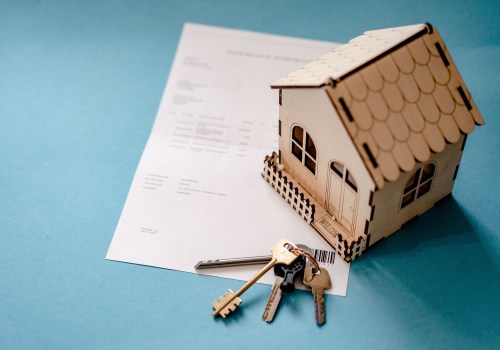
Understanding property assessment is crucial for anyone involved in real estate, whether you are a homeowner, investor, or simply curious about the market. A property assessment is a systematic process used to determine the value of a property, which plays a significant role in various financial decisions, including buying, selling, and taxation. This evaluation is not just a mere formality; it serves as a foundation for establishing fair market value and ensuring that property taxes are accurately levied. The process of property assessment involves several methodologies and factors that contribute to the final valuation. Assessors consider aspects such as the property's location, size, condition, and recent sales of comparable properties in the area.
By analyzing these elements, assessors can provide an objective estimate of what a property is worth at any given time. This valuation is essential for homeowners to understand their investment and for local governments to allocate resources effectively. Moreover, the significance of property assessments extends beyond individual transactions. They help maintain equity within the community by ensuring that all property owners contribute fairly to local services through taxes. As we delve deeper into this topic, we will explore how these assessments are conducted and what factors influence property value determination.
The Importance of Property Assessment
Understanding the importance of property assessment is essential for homeowners, prospective buyers, and local governments alike.A property assessment serves as a critical tool in determining the fair market value of a property, which directly influences property taxes and investment decisions. For homeowners, an accurate assessment can mean the difference between overpaying or underpaying on taxes. When a property is assessed at a higher value than its actual market worth, homeowners may find themselves burdened with excessive tax bills. Conversely, a lower assessment can lead to missed opportunities for funding essential community services. For buyers, knowing the assessed value of a property can provide valuable insights into its market position. It helps in making informed decisions during negotiations and ensures that they are not overpaying for their investment.
A well-assessed property can also indicate potential for appreciation, making it a more attractive option. Local governments rely on property assessments to generate revenue for public services such as education, infrastructure, and emergency services. Accurate assessments ensure that tax burdens are distributed fairly among residents, promoting equity within the community. In summary, the benefits of property assessment extend beyond mere valuation; they play a pivotal role in shaping economic stability and community development. By ensuring that assessments are conducted accurately and fairly, all stakeholders can enjoy the advantages of a well-functioning real estate market.
Methods Used in Property Assessment
Property assessments are crucial for determining the value of real estate, and several methods are employed to achieve accurate valuations. Each method has its unique approach and is suited for different types of properties and market conditions.Comparative Market Analysis (CMA)
The Comparative Market Analysis is one of the most commonly used methods in property assessment.This technique involves comparing the property in question to similar properties that have recently sold in the same area. Key factors considered in a CMA include:
- Location: Proximity to amenities, schools, and public transport can significantly influence property value.
- Size and Layout: The square footage and number of bedrooms/bathrooms are critical metrics.
- Condition: The overall state of the property, including any renovations or repairs, is assessed.
Cost Approach
The Cost Approach estimates the value of a property based on the cost to replace or reproduce it, minus depreciation. This method is often used for new constructions or unique properties where comparable sales are scarce. The steps involved include:- Calculating the current cost of constructing a similar property.
- Subtracting any depreciation due to wear and tear or obsolescence.
- Addition of the land value to arrive at the total property value.
Income Approach
The Income Approach is primarily used for investment properties, such as rental units or commercial real estate.This method evaluates the potential income generated by the property, factoring in:
- Gross Rental Income: The total income expected from renting out the property.
- Operating Expenses: Costs associated with managing and maintaining the property.
- Capitalization Rate: A rate that reflects the risk and return on investment, used to convert income into value.
Factors Influencing Property Value
Understanding the factors influencing property value is crucial for anyone involved in real estate, whether you are a buyer, seller, or investor. Several key elements come into play during a property assessment, each contributing to the overall valuation.- Location: The adage "location, location, location" holds true in real estate. Properties situated in desirable neighborhoods with access to amenities such as schools, parks, and shopping centers typically command higher values.
Proximity to public transportation and major employment centers also enhances a property's appeal.
- Size and Layout: The total square footage of a property, along with its layout, significantly impacts its value. Larger homes with functional layouts that maximize space tend to be more valuable. Additionally, the number of bedrooms and bathrooms can influence buyer interest and marketability.
- Condition: The physical state of a property plays a vital role in its assessment. Well-maintained homes with modern updates and renovations are generally valued higher than those requiring significant repairs or updates.
Factors such as the age of the roof, plumbing, and electrical systems are also considered.
- Market Trends: The real estate market is dynamic, influenced by economic conditions, interest rates, and buyer demand. A strong local economy can drive up property values, while economic downturns may lead to declines. Understanding current market trends helps assessors determine fair market value.
- Comparable Sales: Assessors often look at recent sales of similar properties in the area to gauge value. This method, known as the comparative market analysis, provides insight into what buyers are willing to pay for similar homes.
The Role of Appraisers in Property Assessment
In the realm of property assessment, professional appraisers play a crucial role in determining the value of real estate.These experts are typically licensed and certified, having undergone rigorous training and education to ensure they possess the necessary skills and knowledge to conduct accurate assessments.
Qualifications of Appraisers
- Appraisers must hold a state license or certification, which requires completing specific educational courses and passing examinations.
- Many appraisers also pursue additional designations from professional organizations, enhancing their credibility and expertise.
Methodologies Used in Property Assessments
Appraisers utilize various methodologies to arrive at a property's value. The most common approaches include:
- Sales Comparison Approach: This method involves comparing the property in question to similar properties that have recently sold in the area. Adjustments are made for differences in features, location, and market conditions.
- Cost Approach: This approach estimates the cost to replace or reproduce the property, minus depreciation. It is particularly useful for new constructions or unique properties.
- Income Approach: Primarily used for investment properties, this method calculates the present value of expected future cash flows generated by the property.
Ensuring Accuracy in Valuations
The responsibilities of appraisers extend beyond just calculating numbers.
They must also:
- Conduct thorough inspections of the property, assessing its condition, features, and any improvements made.
- Research local market trends and economic factors that may influence property values.
- Prepare detailed reports that clearly outline their findings and methodologies, ensuring transparency and accountability.
Common Misconceptions About Property Assessment
When it comes to property assessment, many homeowners harbor misconceptions that can lead to confusion and frustration. Understanding these myths is crucial for navigating the assessment process effectively.- Myth 1: Property assessments are the same as market value. Many people believe that the assessed value of their property directly reflects its market value. In reality, assessments are conducted for tax purposes and may not account for current market trends or conditions.
- Myth 2: Higher assessments mean higher taxes. While it’s true that a higher assessed value can lead to increased property taxes, this is not always the case. Tax rates and local budgets also play significant roles in determining how much you will pay.
- Myth 3: Assessments are arbitrary. Some homeowners think that property assessments are random or subjective.
However, assessors use standardized methods and data analysis to determine property values, including comparable sales, property characteristics, and local market conditions.
- Myth 4: You can’t challenge your assessment. Many believe that once an assessment is made, it’s final. In fact, homeowners have the right to appeal their assessments if they believe there has been an error or if they have evidence that supports a lower valuation.
- Myth 5: All properties are assessed at the same rate. Different types of properties may be assessed using different methods or rates. For instance, residential properties might be evaluated differently than commercial properties, reflecting their unique characteristics and market dynamics.
How to Prepare for a Property Assessment
Preparing for a property assessment can significantly influence the outcome and ensure that your home is valued accurately.Here are some practical tips to help you get ready:
- Gather Documentation: Collect all relevant documents that showcase your property’s features and improvements. This includes:
- Previous property tax assessments
- Receipts for recent renovations or repairs
- Blueprints or floor plans
- Home inspection reports
- Make Necessary Repairs: Address any minor repairs that could detract from your home’s value. Fix leaky faucets, patch holes in walls, and ensure that all appliances are in working order.
- Enhance Curb Appeal: First impressions matter. Consider simple landscaping improvements, such as mowing the lawn, trimming hedges, and planting flowers.
A well-maintained exterior can positively influence the assessor's perception of your property.
- Document Improvements: If you’ve made significant upgrades, such as a new roof or kitchen remodel, document these changes with before-and-after photos and receipts. This evidence can help justify a higher valuation.
- Know Your Neighborhood: Research recent sales of comparable properties in your area. Understanding the market can provide context for your property’s value and help you discuss it knowledgeably with the assessor.
- Be Present During the Assessment: If possible, be available when the assessor visits. This allows you to answer questions and point out features that may not be immediately obvious.
Frequently Asked Questions About Property Assessment
Understanding property assessment can be complex, and many homeowners have questions about the process.Here are some frequently asked questions that can help clarify common concerns.
What is a property assessment?
A property assessment is an evaluation of a property's value conducted by a professional assessor. This process determines the fair market value of a property, which is essential for taxation purposes and can influence buying or selling decisions.How often are properties assessed?
The frequency of property assessments varies by location. In some areas, properties are assessed annually, while others may conduct assessments every few years. It's important to check with your local tax authority for specific timelines.What factors influence property value during an assessment?
- Location: Proximity to schools, parks, and amenities can significantly impact value.
- Property size: The total square footage and lot size are crucial in determining value.
- Condition: The state of the property, including renovations and maintenance, plays a vital role.
- Market trends: Current real estate market conditions can affect property values.
Can I contest my property assessment?
Yes, if you believe your property's assessed value is inaccurate, you can typically contest it.This process usually involves providing evidence to support your claim, such as recent sales data of comparable properties or documentation of any issues affecting your property's value.
How does property assessment affect my taxes?
The assessed value of your property directly influences your property taxes. Higher assessments can lead to increased tax bills, while lower assessments may reduce your tax liability. Understanding this relationship is crucial for budgeting and financial planning.If you have more questions about property assessments, consider reaching out to your local assessor's office or a real estate professional for personalized guidance.Conclusion: Key Takeaways on Property Assessment Value Determination
Understanding how the value of a property is determined during a property assessment is crucial for homeowners, investors, and potential buyers alike. Throughout this article, we have explored various factors that influence property valuation, including location, property condition, and market trends.Here are the key takeaways regarding the determination of property value:- Location Matters: The geographical area where a property is situated plays a significant role in its assessed value.
Properties in desirable neighborhoods typically command higher values due to demand.
- Comparative Market Analysis: Assessors often use comparable sales data to gauge a property's worth. This method involves analyzing similar properties that have recently sold in the area.
- Property Features: Unique features such as square footage, number of bedrooms and bathrooms, and additional amenities can significantly impact the assessment outcome.
- Market Conditions: Economic factors such as interest rates, employment rates, and overall market health can influence property values. A booming economy often leads to higher assessments.
- Regular Updates: Property assessments are not static; they are updated periodically to reflect changes in the market and property conditions. Staying informed about these changes can help homeowners understand their property's current value.
By understanding the various elements that contribute to property valuation, you can better navigate the complexities of the real estate market and ensure that you are making sound financial choices.